Notes from a recent visit to New Orleans
Reflections on life, memory, and journalism.

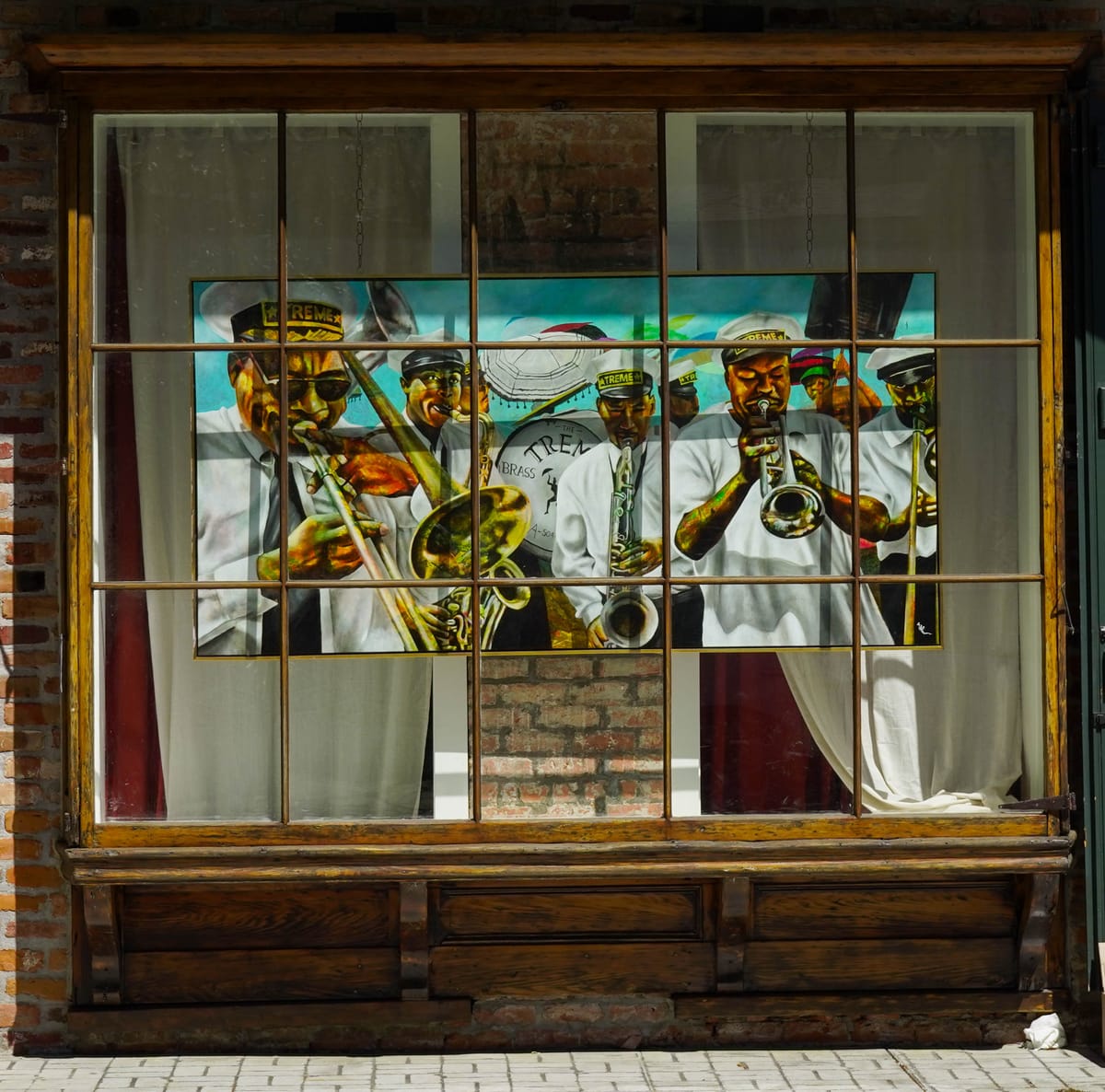
Earlier this month, my sister flew me out to New Orleans to join her and some friends on a much-needed weekend trip to just...get away from it all. It was my first time in the city, and as most visitors probably do, I found myself with some free time to sit on the porch in the Esplanade Ridge Historic District and let my mind wander to all those magical, deeply felt places that a city like New Orleans brings to the surface. Within minutes, I was writing.
It was a picturesque day in New Orleans. My sister found us a beautiful little cottage to stay in while we visited the city, and as I sat on the front porch, the Spring air, light and cool, brought a breeze into the neighborhood. Sunlight filtered through the leaves of the ancient tree outside the cottage, its branches spidering outwards and blanketing the street in a dappled shade. Down the road, a group of friends unloaded a UHaul full of furniture into their newly-rented home. Their easy laughter filled the air.
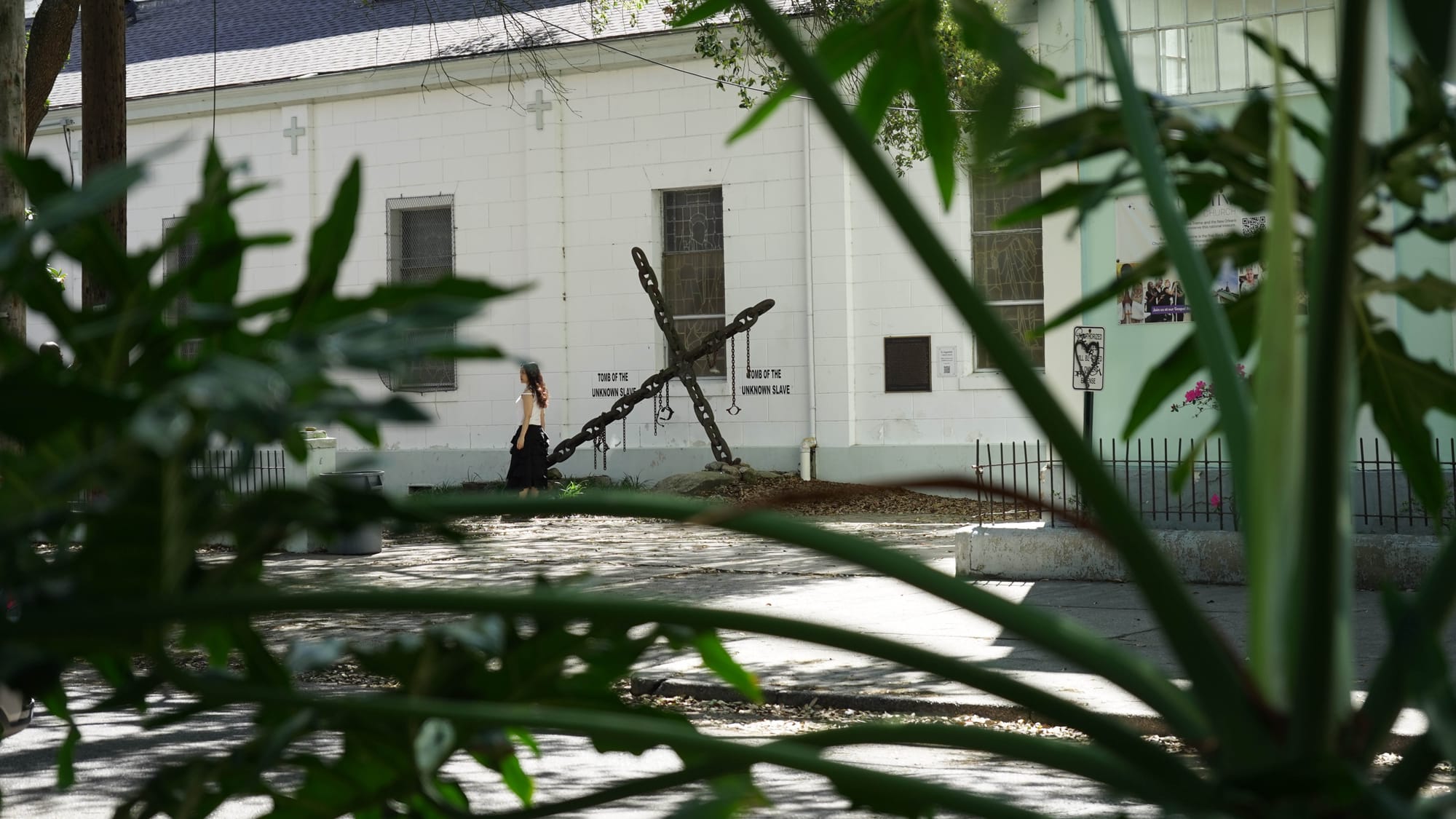
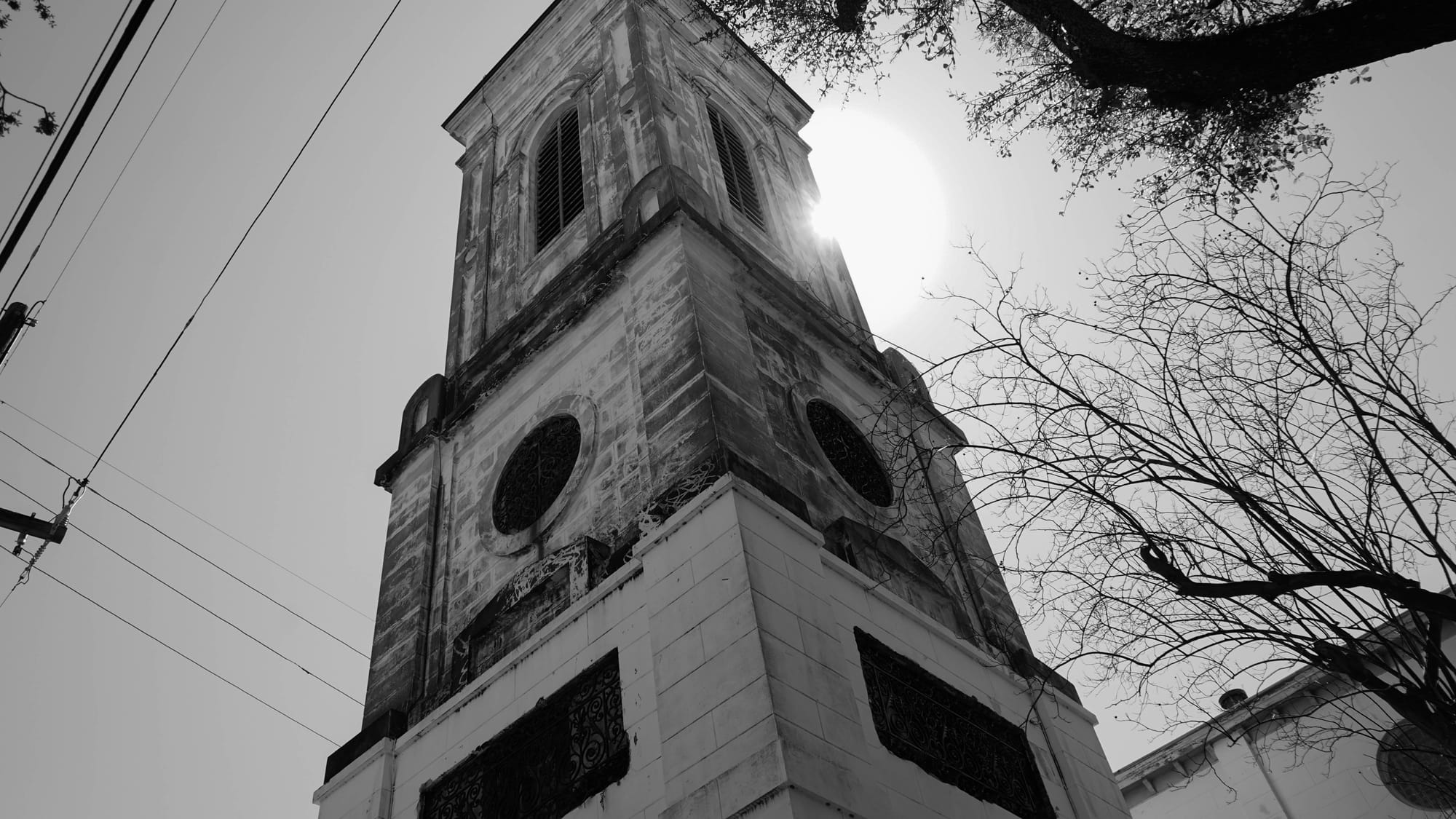
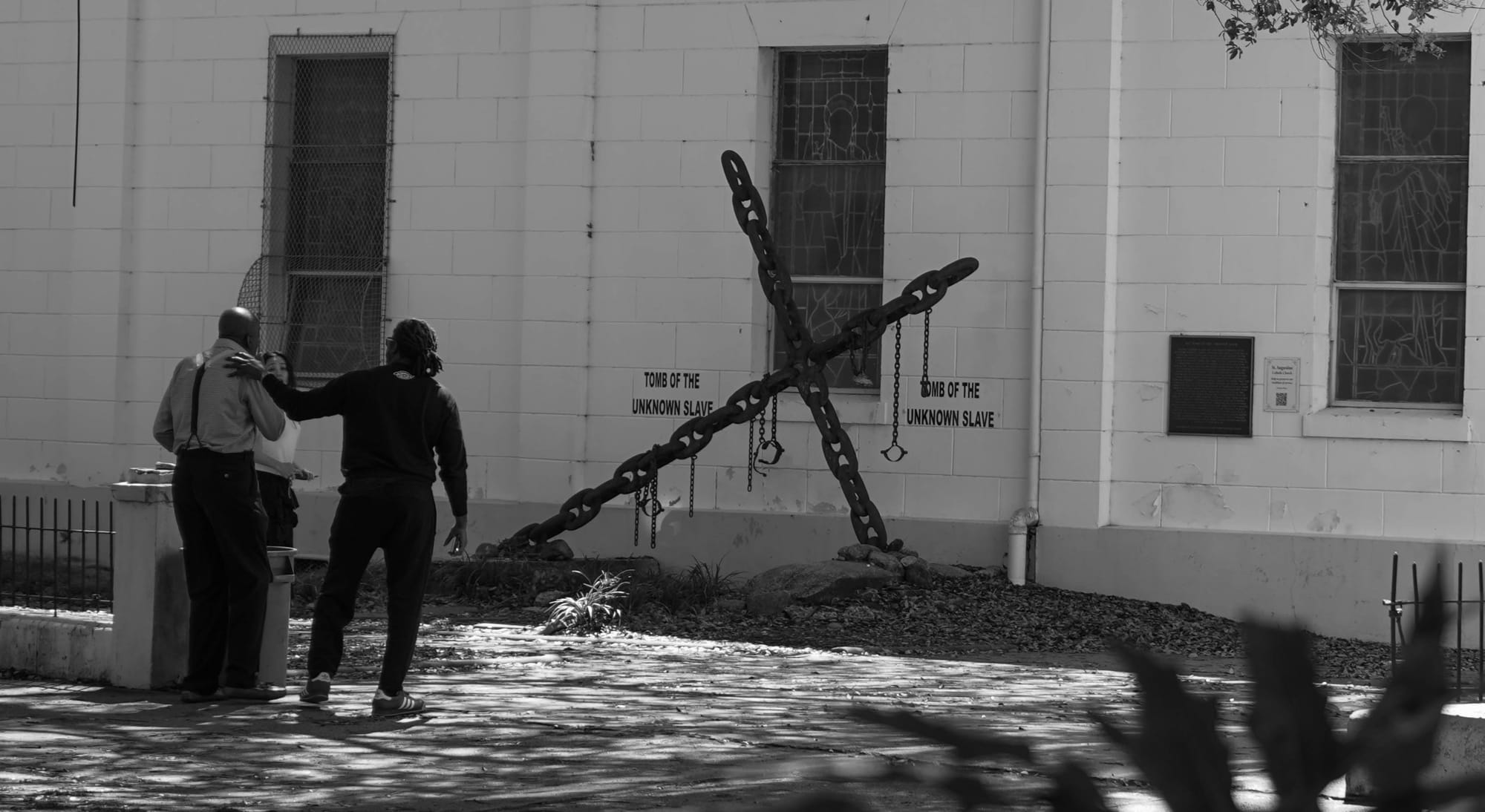
St. Augustine, the area's oldest and first Black Catholic Church, sat quietly across the street, the Tomb of the Unknown Slave standing silent watch over the neighborhood. On the wall of an adjoining building was one of the infamous X-markings, a reminder of the catastrophe of Katrina. There it stood, in red paint now faded to a bloody brown, resolute. 20 years since the disaster. History melds with history in one unending line.
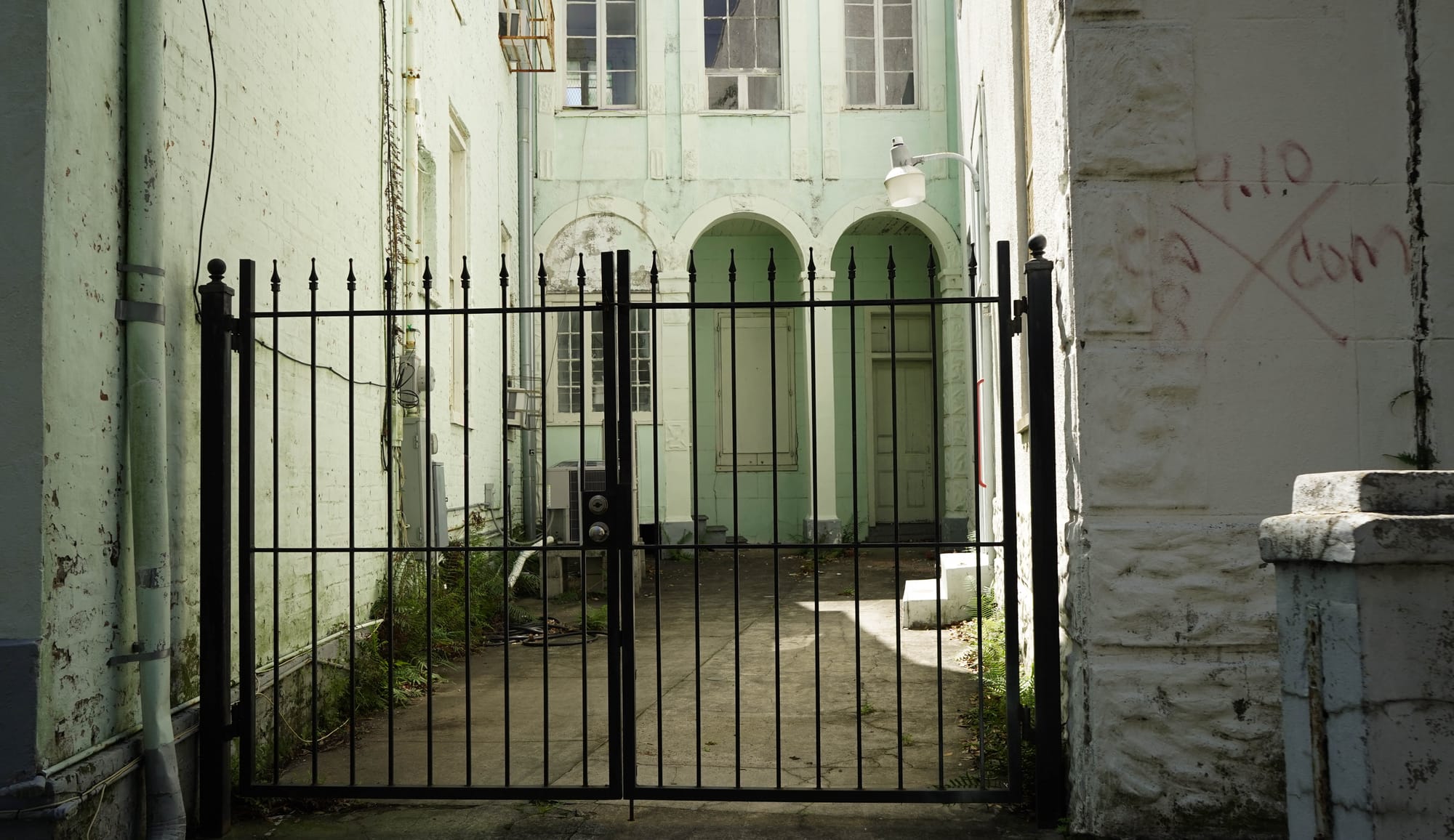
Many of the homes in this neighborhood bore historic designation—built by worn hands in 1839, 1840, 1849—Treme, a thriving cultural center for Creoles and Free People of Color since its settlement in the 1840s. The world in this neighborhood felt thick with memory.
We passed a marker for the 1866 Freedman's massacre on the way to brunch earlier that day. I remember standing there underneath it, reading about the blood in the streets, Red Bull in my hand. How many of those people who built the town, newly freed, lost their lives that day? How many more forged ahead with their lives, despite the odds? The spirits wandered the streets outside while we ate our meal.
As I sat there on the porch, a man drove his mule and buggy down the road, the carriage loaded with visitors. “Here we had almost a foot of water,” he says, of Katrina. “The water got deeper a few blocks away…” He points down the street, a flicker of memory passing just briefly in his eyes. He takes a sharp breath in and nudges the mule down the street. "And here we have St. Augustine..."
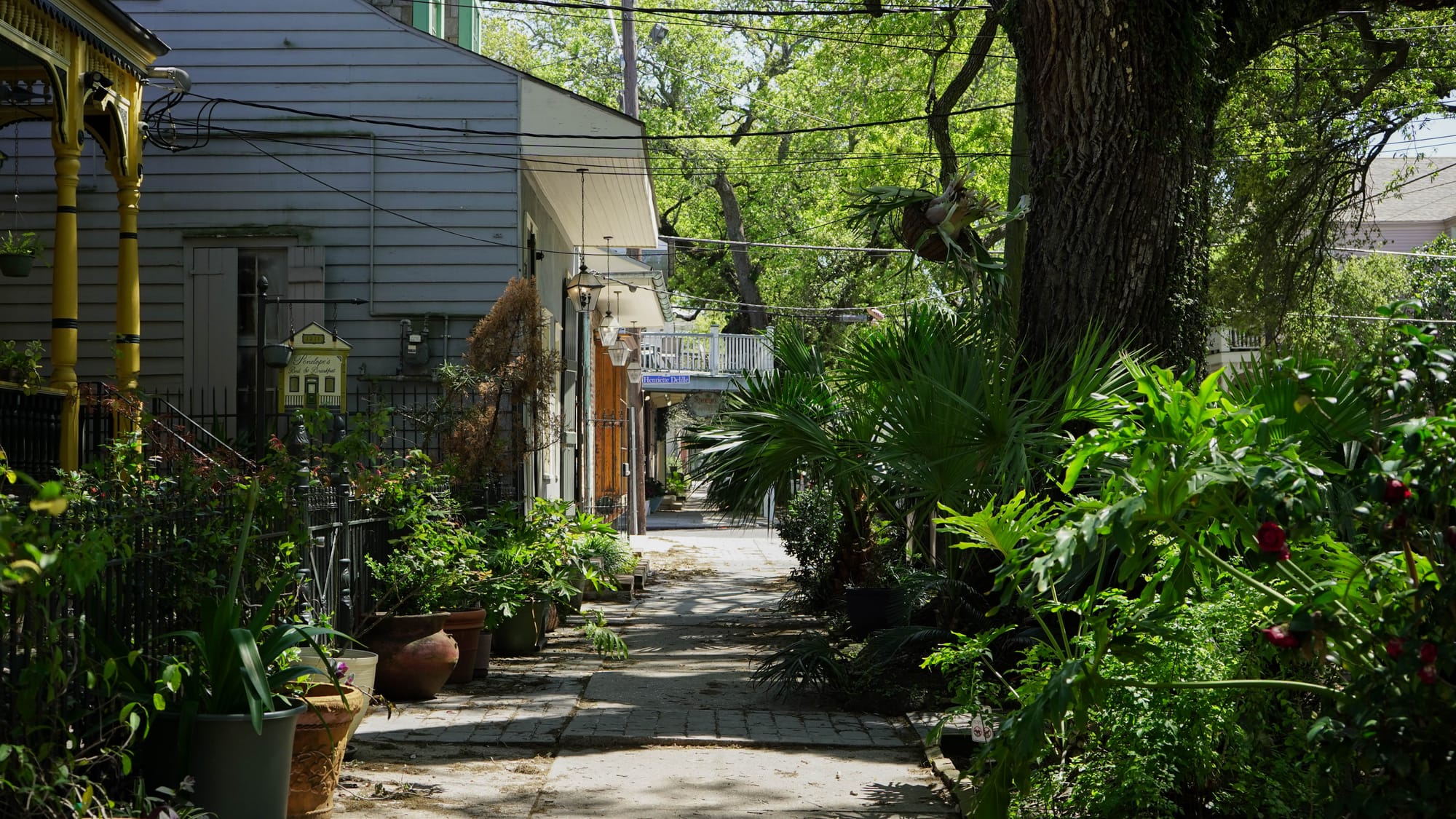
Living memory always fades as the years pass. Eventually only the trees will remember those who sat beneath their canopies. I think a lot about these places when I visit them—how many people walked through the doors of this house and made their way to Sunday services next door? Sat and recorded their hopes and dreams in letters and journals like this one in the front parlor, the shutters thrown open to the sunlight? Listened to the birds and shared a meal together, fed the street cats, searched for loved ones in the water and wreckage after the levees failed?
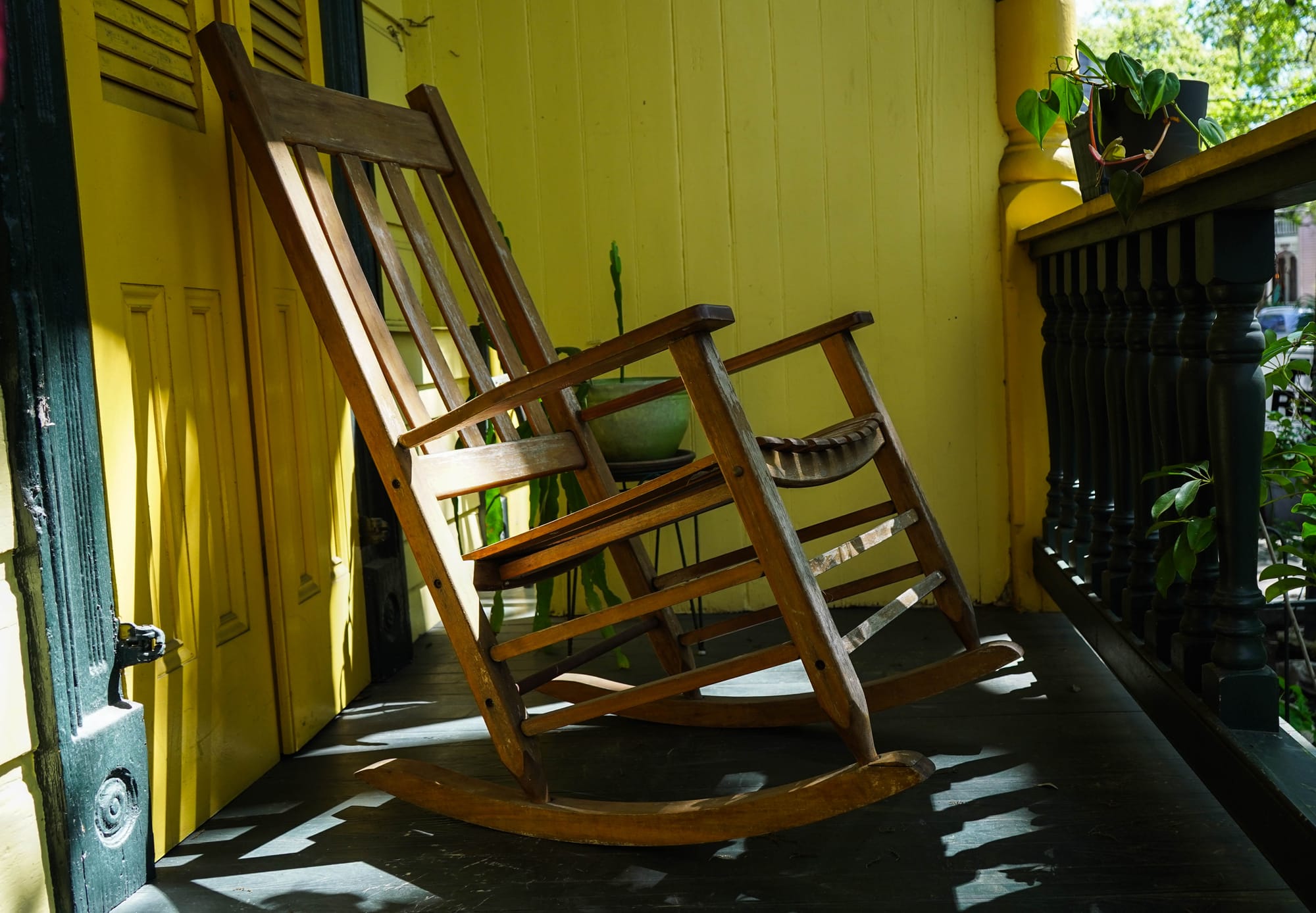
An old, old place, teeming with life and memory, pain, death, tragedy, music, God.
What will we leave behind; what will we stitch into the grand tapestry of this city, country, society? What will others remember of us? What will they think to preserve? To pass forward? Will we even be remembered, situated as we are in this dark, dark digital age? Our photos and correspondence sit on decaying servers and lost cell phones, deleted without a thought on defunct platforms and deactivated social media profiles. Will we have any memory of this life to resurrect in the not-so-distant future? What will people know of who we were as we struggled to throw off the yoke of this fascist regime?
Maybe I think about this shit a little too much. Maybe I'm just a romantic. But I've always been this way—fascinated by the things we leave behind and the ways folks choose to preserve that memory. I feel this deep pull to know and understand a place—where it comes from, where it’s going—it is a living thing like you or me, with a long memory and many scars. Where do we fit? Are we simply visiting for a time, or do we leave a mark? Are we meant to?
When I think about my life, with all its attendant events and travels, I wonder how I can inhabit it and feel this sense of connection to it. I am so restless all the time. To settle into a place feels…not right. To settle into myself, to inhabit myself, fully and without reserve, seems to be the thing I return to the most. I visit these contemplations like an old friend—how do I do this? Where am I meant to go? (The perennial question for most of us these days, I am sure)
I want to spend my life telling the stories of places like these—or, maybe more accurately, doing my small, small part to help people remember. Remember who they are, remember where they came from, remind them where they have yet to go. And not in some academic sense—not to study or regard with the same indifference a stranger regards a street sign—I want to embody a purer sense of curiosity, to practice empathy, to preserve memory, to feel some sense of connection to the writhing mass of humanity in this big, fucked up society. Lofty thoughts for one reporter, I know.
There's something magical about the work that I do. I refuse to see it through the clinical lens of the average journalist. How can you regard humanity, with its depth of feeling, capacity for good, and ability to thrive, and claim some objective position in relation to it? Are we not also human beings? How can we get away from that clinical nature of modern journalism—to reject such sterility and strive for something deeper? To help others remember? How can I, we, share, create, record our histories? Ours, mine, theirs? What are we gathering to us as we go? Is it about creating something beautiful, or simply seeking out and capturing that beauty that already exists?
Perhaps I am just an artist, trying to shove myself into a journalist's body. Perhaps not. What I do know, as I did when I sat quietly on the porch of a little cottage in Treme, is that I would like to find out.